
Search Illinois Police Blotter
Illinois police blotter records are public. They track arrests, incidents, and calls for service across all 102 counties. Each county sheriff keeps daily police logs. City police departments do the same for their area. You can search police blotter records through local law enforcement agencies or by filing a FOIA request with the state. The Illinois State Police also tracks crime data that covers every part of the state. This page shows where to find police blotter records in Illinois, what those records contain, and how to get them. Both online search tools and in-person visits at local offices give you access to police blotter data in Illinois.
Illinois Police Blotter Quick Facts
Illinois Police Blotter Sources
Police blotter records in Illinois come from several sources. County sheriffs are the main ones. Each of the 102 counties has a sheriff who logs arrests, warrants, and calls for service. These daily logs form the core police blotter for that area. City and village police departments keep their own incident records across Illinois too. Some are large agencies with full online search tools. Others are small offices that post weekly logs on a bulletin board or social media page.
The Illinois State Police is the main state law enforcement agency and a top source for police blotter data across Illinois.
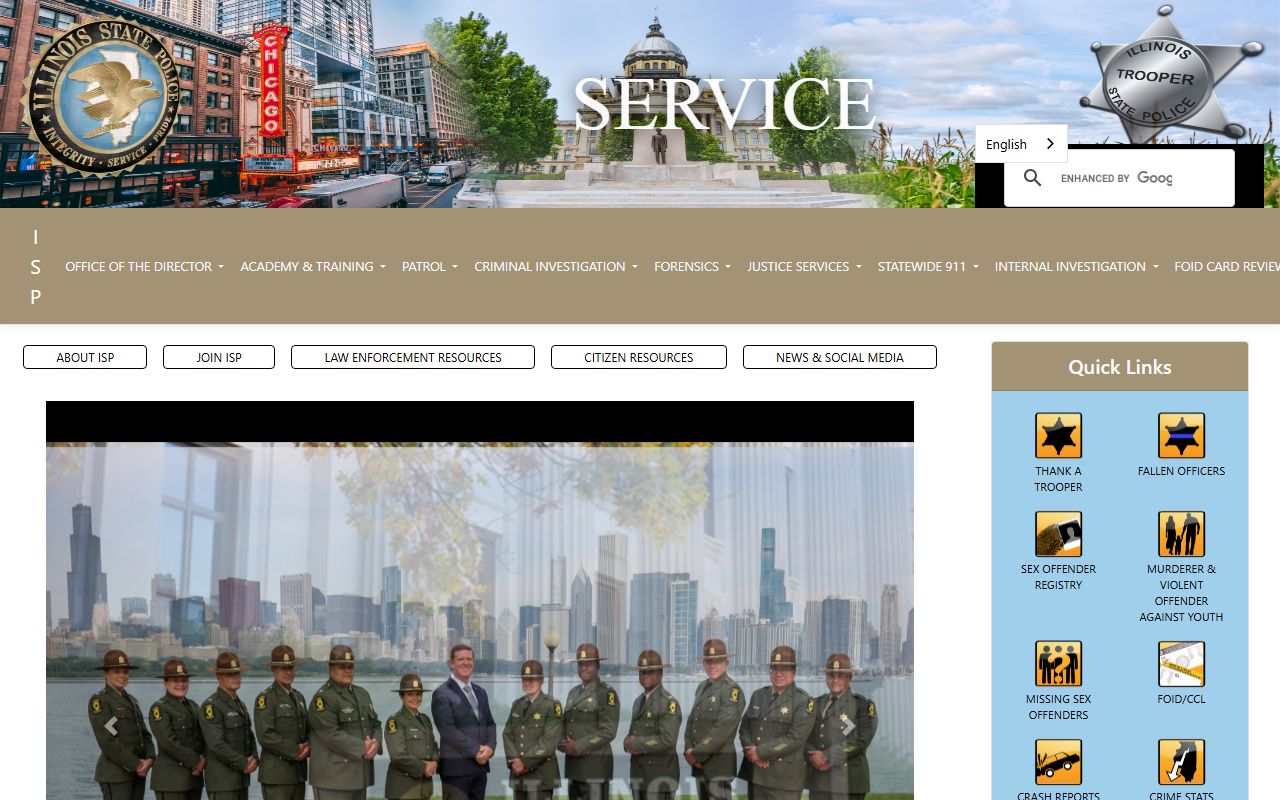
The ISP site has links to news, crime stats, and public records that cover the whole state. They run a statewide crime database and handle FOIA requests for state-level police records. Local agencies in Illinois report their arrest and incident data up to the state level too. Under the Illinois Freedom of Information Act (5 ILCS 140), police blotter records are open to the public. You do not need to give a reason to ask for them. This law applies to every public body in Illinois, from the smallest village police force to the state police.
How to Search Police Blotter in Illinois
The best place to start is your local sheriff or police department website. Many agencies in Illinois now post police blotter data online. Some counties have search portals on their sites where you can look up arrests and incidents by date or name. Others post daily or weekly police blotter logs as PDF files or news updates. Not all agencies have the same level of online access, though. Larger departments in Illinois tend to offer more search tools than rural ones.
The Illinois State Police provides citizen resources that link to public tools and data sets.
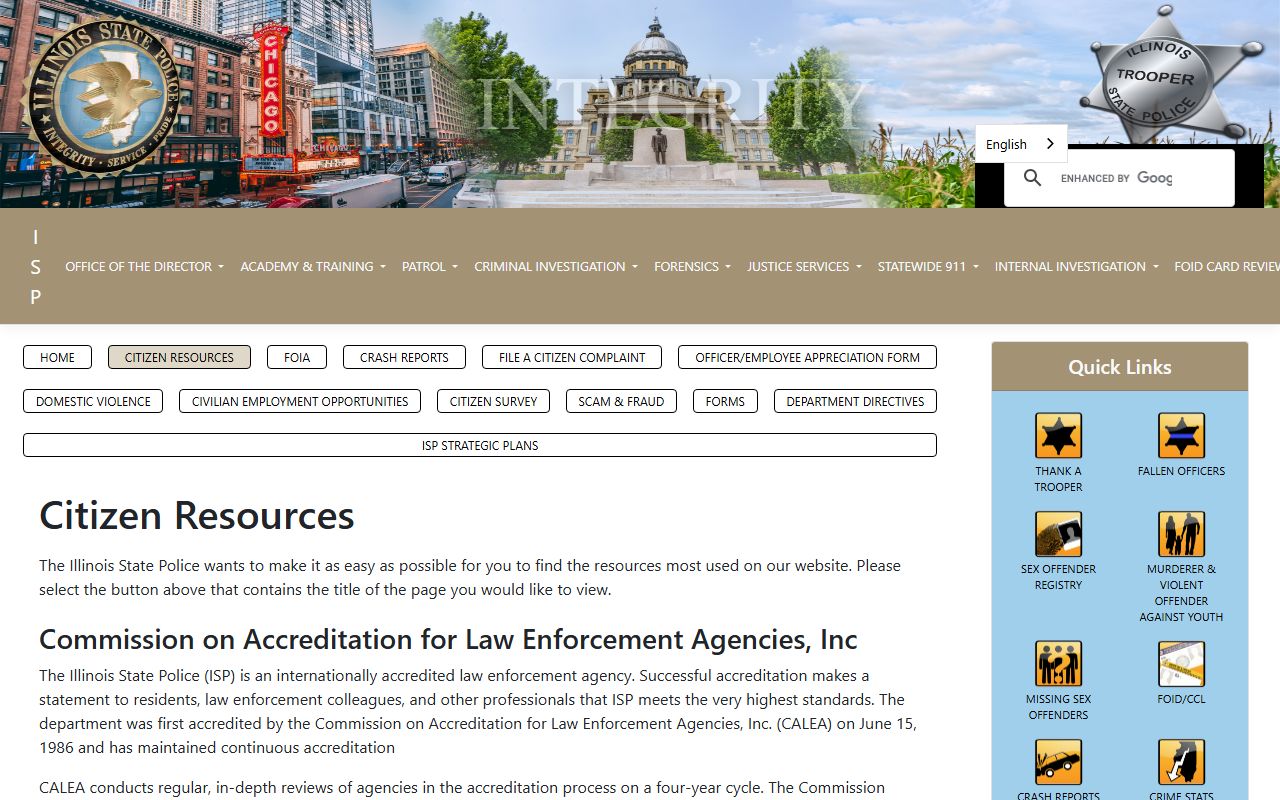
This page connects you to resources that cover the whole state. For local police blotter records, you can also walk into the sheriff office or police station and ask. Under 5 ILCS 140/3, most records kept by law enforcement in Illinois are public. Staff should be able to help you find what you need. Bring a valid ID and know the date range or names you are looking for. That makes the search go faster at any Illinois police blotter office.
If the records are not on a website, a phone call to the agency can save you a trip. Ask if they post police blotter data online or if you need to come in person.
FOIA Requests for Police Records
The Illinois Freedom of Information Act gives you the right to ask for police blotter records from any public body in the state. This covers sheriff offices, city police, village departments, and the Illinois State Police. You can file a FOIA request by mail, email, or in person. There is no set form required. A simple written request that describes the records you want is enough. Include your name, contact info, and as much detail as you can about what police blotter records you need.
The ISP has a FOIA request page where you can start a request for state-level police records.
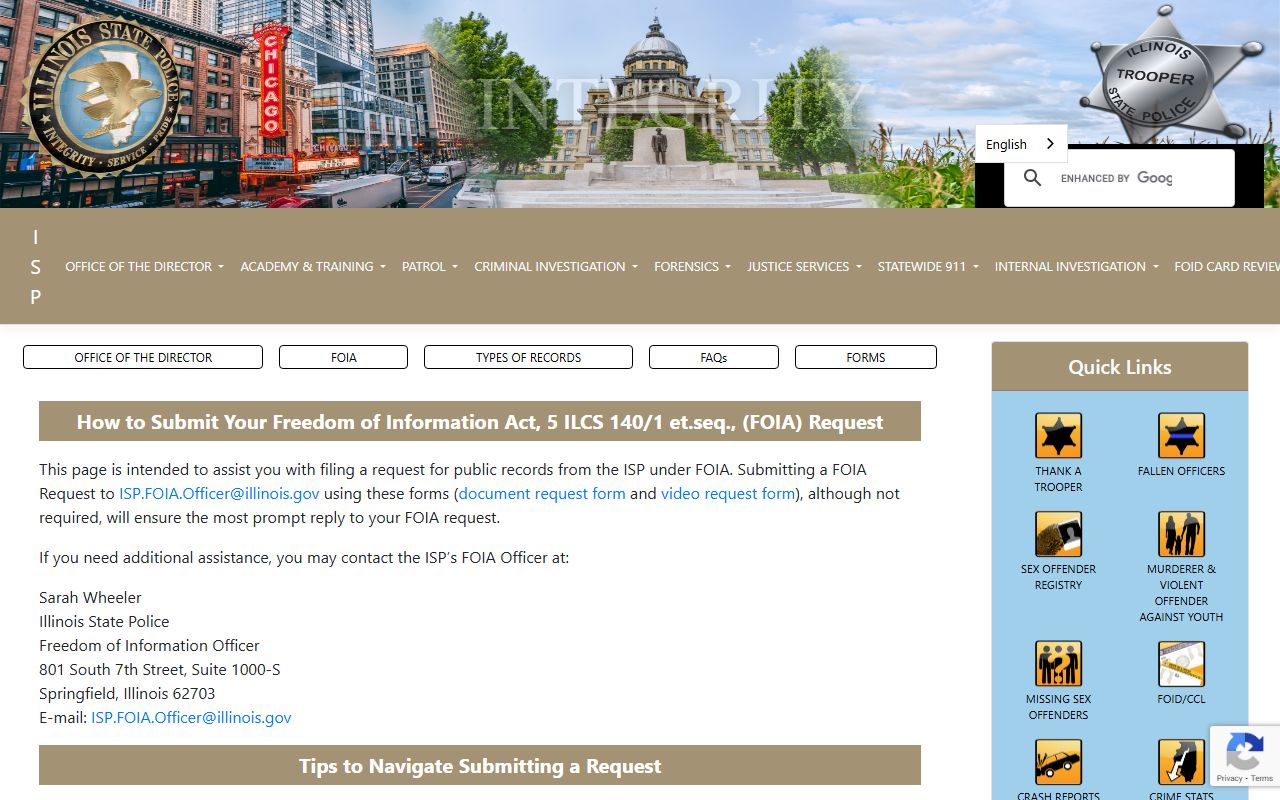
They also list the types of records you can ask for.
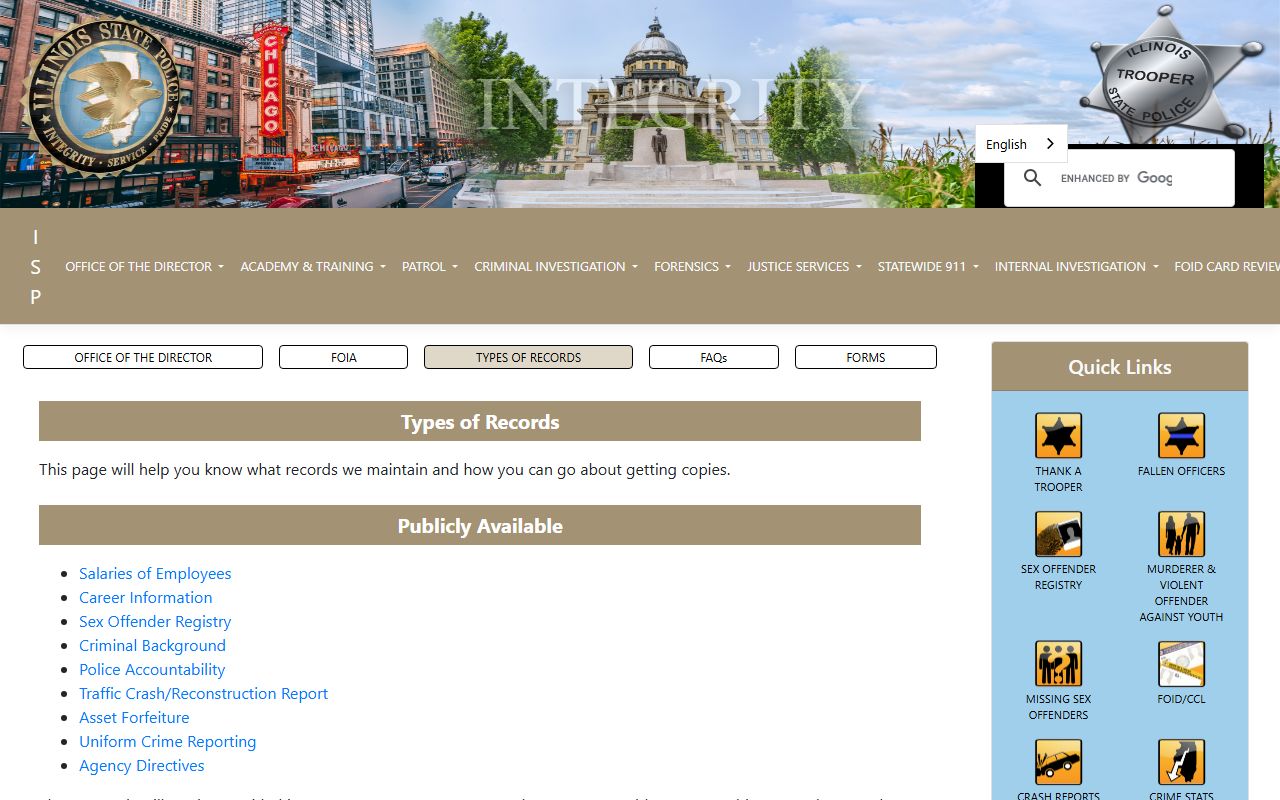
When you file a FOIA request in Illinois, the agency has five business days to respond. They must hand over the records or tell you why they cannot. Under 5 ILCS 140/7, some police records are exempt. Active case files and victim names in certain crimes may be held back. But most police blotter data in Illinois is public. There is no fee to file a FOIA request. Agencies can charge for copies. The first 50 pages of black and white copies are free under state law. After that, the cost is no more than 15 cents per page.
Note: If an agency denies your request, you can file an appeal with the Illinois Attorney General's Public Access Counselor.
What Police Blotter Records Include
Police blotter records in Illinois log daily activity at a law enforcement agency. The format varies by department. Most police blotters in Illinois cover basic facts about each arrest, call, or incident. Larger departments may include more detail than smaller ones. But the core data is the same across the state.
A typical Illinois police blotter entry shows:
- Date and time of the call or arrest
- Type of incident or charge filed
- Location at block level
- Names of people arrested
- Case or report number
- Responding officer or unit
The Illinois State Police news releases page covers major incidents at the state level.
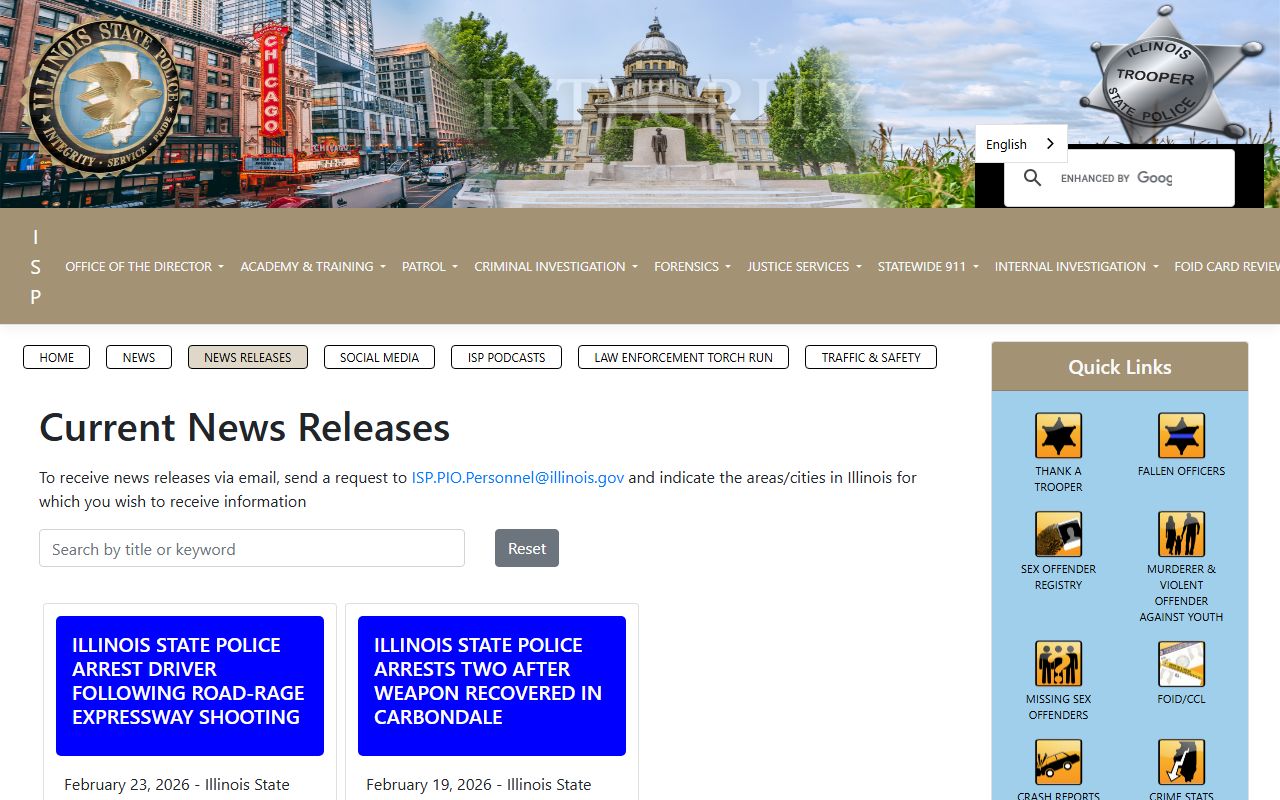
These are not full police blotter logs, but they give the public a window into ISP activity across Illinois. For complete local police blotter data, check with your county sheriff or city police department. Some agencies in Illinois share blotter info with local news outlets, which then publish it. You can often find police blotter reports in local newspapers and news websites for your area too.
Illinois Crime Data and Reports
The Illinois Uniform Crime Reporting program tracks crime data from police departments and sheriff offices across the state. This data comes from police blotter records that each agency submits. The program uses the National Incident-Based Reporting System to sort and publish the data. You can view crime stats by agency, county, or type of crime for the whole state.
The Illinois UCR portal is the main public tool for this data.
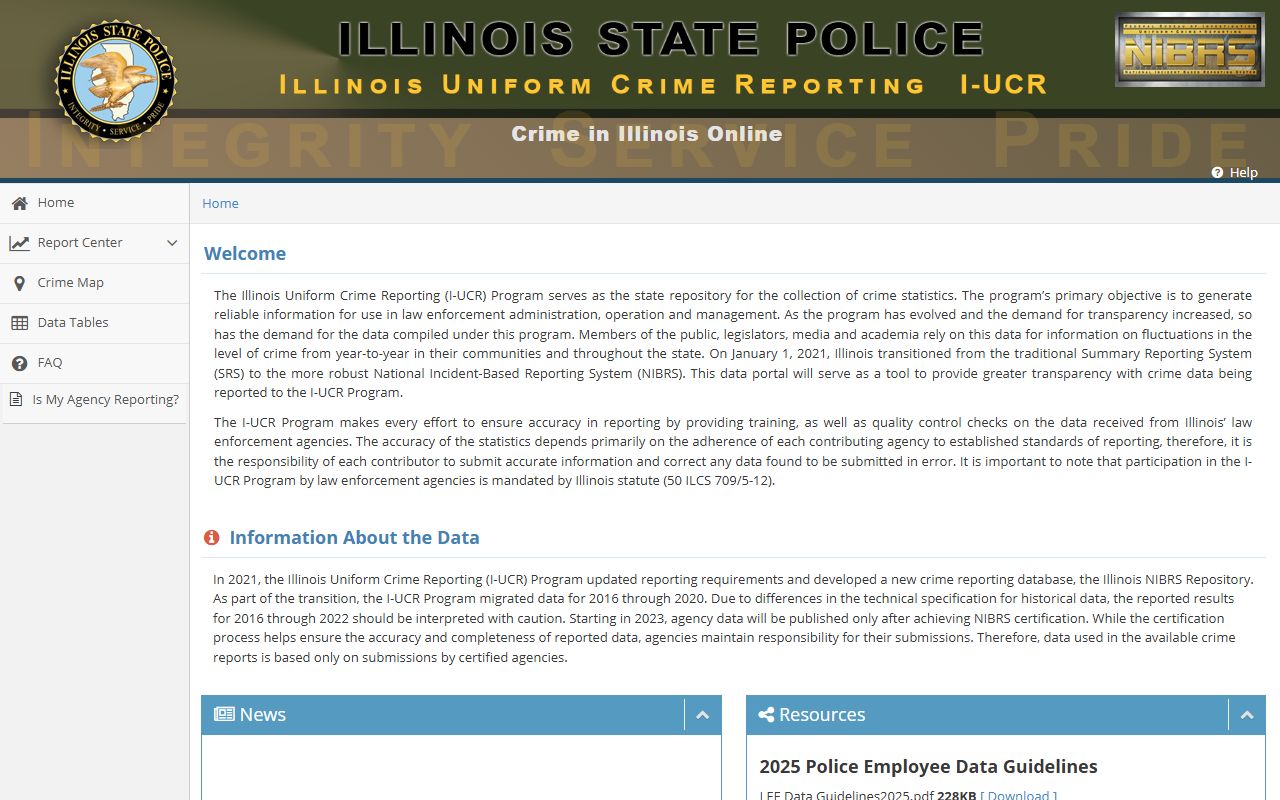
The portal goes back several years. It gets updated as agencies send in new reports from their police blotter records. Both the public and researchers use this data. Illinois law under 50 ILCS 709 requires agencies to report crime data to the state. This means the UCR database is one of the most complete sources of police blotter stats for all of Illinois. You can break the numbers down by county, city, or agency and see trends over time.
For county-level police blotter records, you can also check with the circuit clerk in your area. Some court records in Illinois tie back to police reports. Cases that start from arrests logged in the police blotter often have related court filings you can look up.
Browse Illinois Police Blotter by County
Each county in Illinois has a sheriff's office that keeps police blotter records. Pick a county below to find local police blotter data, contact info, and FOIA details for that area.
Police Blotter in Major Illinois Cities
Residents of major cities can find police blotter records through their local police department. Pick a city below to find police blotter resources and learn which agencies serve your area in Illinois.