
Search Aurora Police Blotter
Aurora police blotter records document arrests, incidents, and calls for service from the second largest city in Illinois. With close to 180,000 residents spread across parts of Kane, DuPage, Will, and Kendall counties, Aurora generates a high volume of police blotter data each year. The Aurora Police Department is the primary agency and keeps all local police blotter logs. You can access these records through FOIA requests, the department's crime statistics page, or by contacting the records unit directly. Most police blotter entries are public under state law and can be searched without any fee. Getting the right record starts with knowing how the city handles its data.
Aurora Quick Facts
Aurora Police Department Blotter
The Aurora Police Department runs all law enforcement within city limits. It is a large department for Illinois, with hundreds of sworn officers covering a city that spans four counties. Every arrest, traffic stop, and incident call in Aurora gets logged into the police blotter. The department handles its own records, which means you go to them first when you need police blotter data from Aurora. They have a records division that processes requests during business hours. Walk-in requests are accepted at the main station.
Aurora also posts crime statistics on its city website. This page gives you breakdowns of reported crimes by category. It is useful for seeing patterns in police blotter activity across different parts of the city. The stats come from the department's own data and are updated on a set schedule. You will not find individual names or case details here, but it shows what types of crimes are most common and where in Aurora they happen most often.
Aurora Police Blotter FOIA Requests
The most direct way to get a police blotter record from Aurora is through a FOIA request. The city has a dedicated FOIA page that explains the process. Under 5 ILCS 140, any person can ask for public records from any government body in Illinois. Police blotter data is public. You write up your request, include the details of what you want, and send it to the Aurora Police Department. They have five business days to respond. An extension of five more days is allowed if they give you a reason.
The FOIA process in Aurora follows the same rules as the rest of the state. Under 5 ILCS 140/3, records are presumed open. That means the burden is on the city to justify withholding something, not on you to justify asking. For police blotter records, denials are rare. The first 50 pages of copies are free. Anything after that costs 15 cents a page. Electronic records may be provided at no cost if the department can pull them from their system without extra work.
Note: FOIA requests to Aurora can be submitted by email, mail, or in person at the police station.
Statewide Police Blotter Tools for Aurora
The Illinois State Police maintains resources that apply to Aurora and every other city in the state. If you need records from a state-level investigation that took place in Aurora, ISP is the agency to contact. They also run the statewide FOIA process for records they hold. The ISP FOIA page has all the forms and instructions you need.
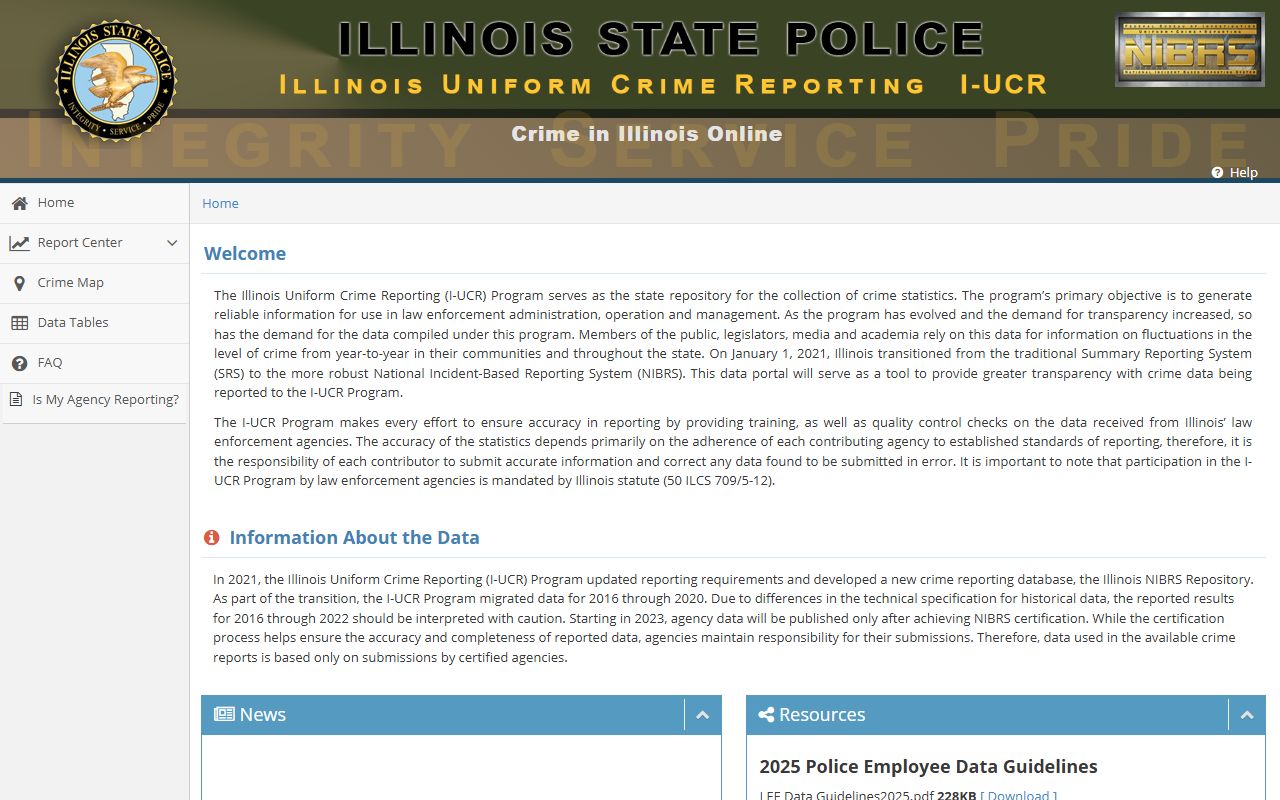
The Illinois Uniform Crime Reporting site collects data from Aurora and other agencies. You can look up crime totals by year, by type, and by department. This does not replace the Aurora police blotter, but it puts local data into a statewide context. You can see how Aurora compares to other cities of similar size and track trends over multiple years.
Kane County and Aurora Police Blotter
Aurora sits primarily in Kane County, though the city stretches into DuPage, Will, and Kendall counties as well. For court records tied to an Aurora arrest, you will usually deal with the Kane County court system. The 16th Judicial Circuit covers Kane County and handles most criminal cases that start with an Aurora police blotter entry. Bond hearings, arraignments, and trials all go through the Kane County courthouse in Geneva.
If an arrest happened in the DuPage County portion of Aurora, those court records may go through the 18th Judicial Circuit instead. The police blotter record itself stays with the Aurora Police Department regardless of which county's court processes the case. This is an important distinction. The arrest data is always local. The court data depends on geography. When you search for records tied to an Aurora police blotter entry, check both the police department and the relevant county court to get the full picture.
Note: The Kane County jail holds most people arrested in Aurora on serious charges.
Police Blotter Exemptions in Aurora
Most Aurora police blotter records are public. But 5 ILCS 140/7 gives agencies a list of reasons they can use to deny a request. Active criminal investigations are the most common exemption cited by Aurora police. If the case is still open and releasing the record could hurt the investigation, they can hold it back. Records involving juveniles are also restricted. Sealed court orders can block access to certain entries as well.
Basic police blotter data is hard to exempt. A person's name, charge, and arrest date are public in nearly all cases. If Aurora denies your request and you think the denial is wrong, file an appeal with the Public Access Counselor at the Illinois Attorney General's office. They will review the case and issue a binding opinion. Most police blotter denials do not hold up on appeal unless there is a clear and specific exemption that applies.
What Aurora Police Blotter Records Contain
Each Aurora police blotter entry covers one event. The record logs what happened, when, and where. It may or may not include an arrest. Many entries are just calls for service where officers responded but nobody was charged. A typical Aurora police blotter entry includes the date, time, location, type of incident, and any charges that were filed. If someone was arrested, the entry usually has the person's name and age as well.
Aurora is a big city with a lot of activity. The police blotter can have dozens of new entries each day. When you file a FOIA request, be as specific as you can about what you want. Give dates, names, locations, or case numbers if you have them. A broad request for all police blotter records from a given week could return a large volume of data and may take the department more time to process.
Nearby Cities
These cities are near Aurora. Police blotter records for incidents near city borders may be handled by a neighboring police department. Confirm the exact location before you search.